机器翻译:先看句子,再选意思Machine Translation: Meaning in Context
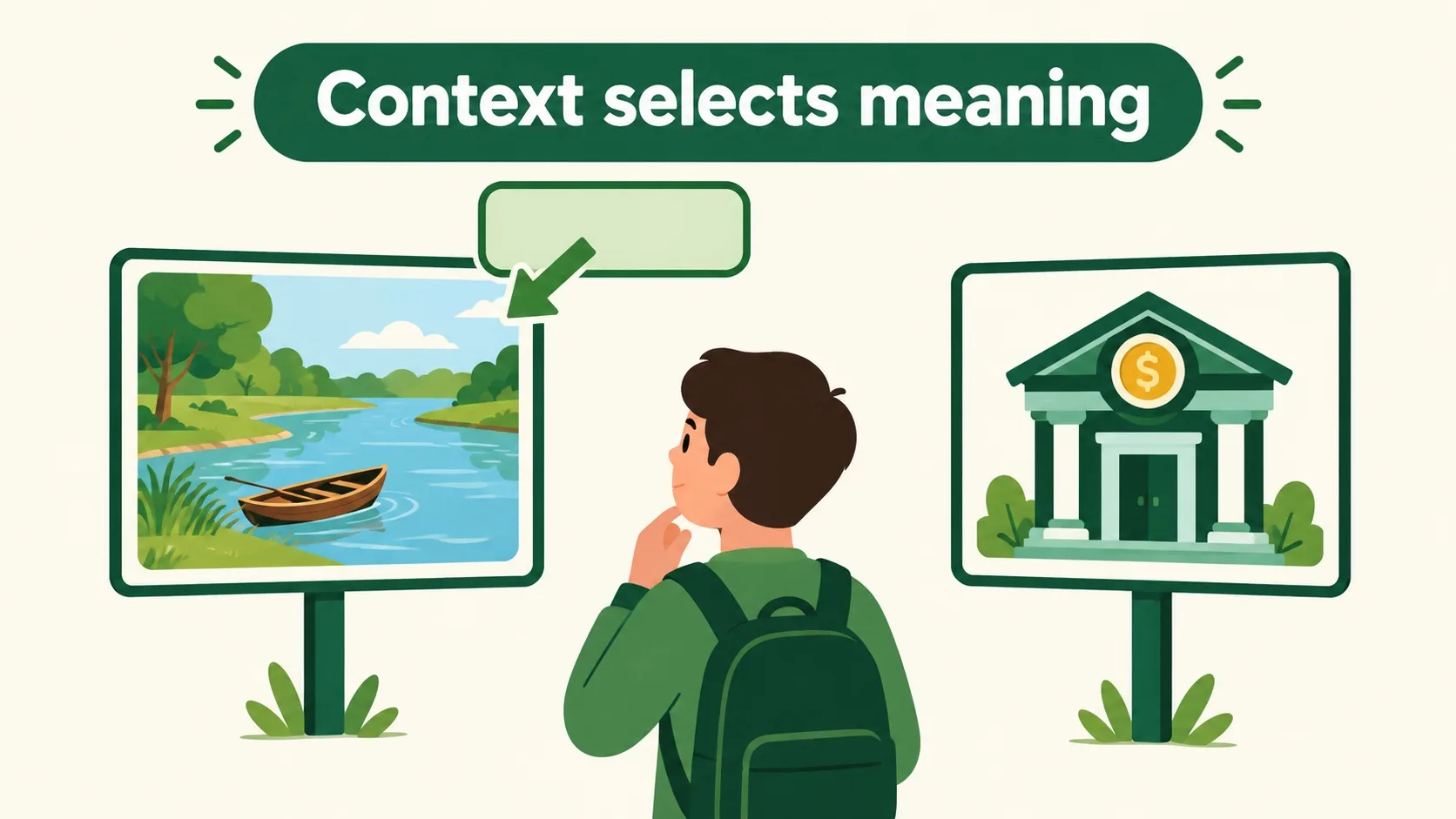
春游来了交换生。小禾想翻译“我们在河岸集合”,却发现 bank 也能表示银行。机器怎样选?An exchange student joins the trip. He notices that bank can mean a riverbank or a financial institution. How does translation choose?
第 1 步:翻译不是逐词替换Step 1: Not word-for-word substitution
字典给了两个意思,谁来决定?Who chooses when a dictionary gives two meanings?
一句话里的词会互相提供线索。河水、划船让 bank 更像河岸。存钱、账户让它更像银行。机器翻译要从源语言生成目标语言。除了词义,还要处理语序和省略。逐个换词,常会拼出不自然甚至相反的意思。Words provide clues for one another. A river or boat suggests the waterside meaning of bank; deposits and accounts suggest finance. Machine translation generates a target-language expression from a source. It must handle word order and omitted information as well as vocabulary. Replacing words individually can produce unnatural or misleading sentences.
第 2 步:从例句学对应Step 2: Learn correspondences from examples
机器不是人,它从哪里学线索?Where does a machine learn these clues?
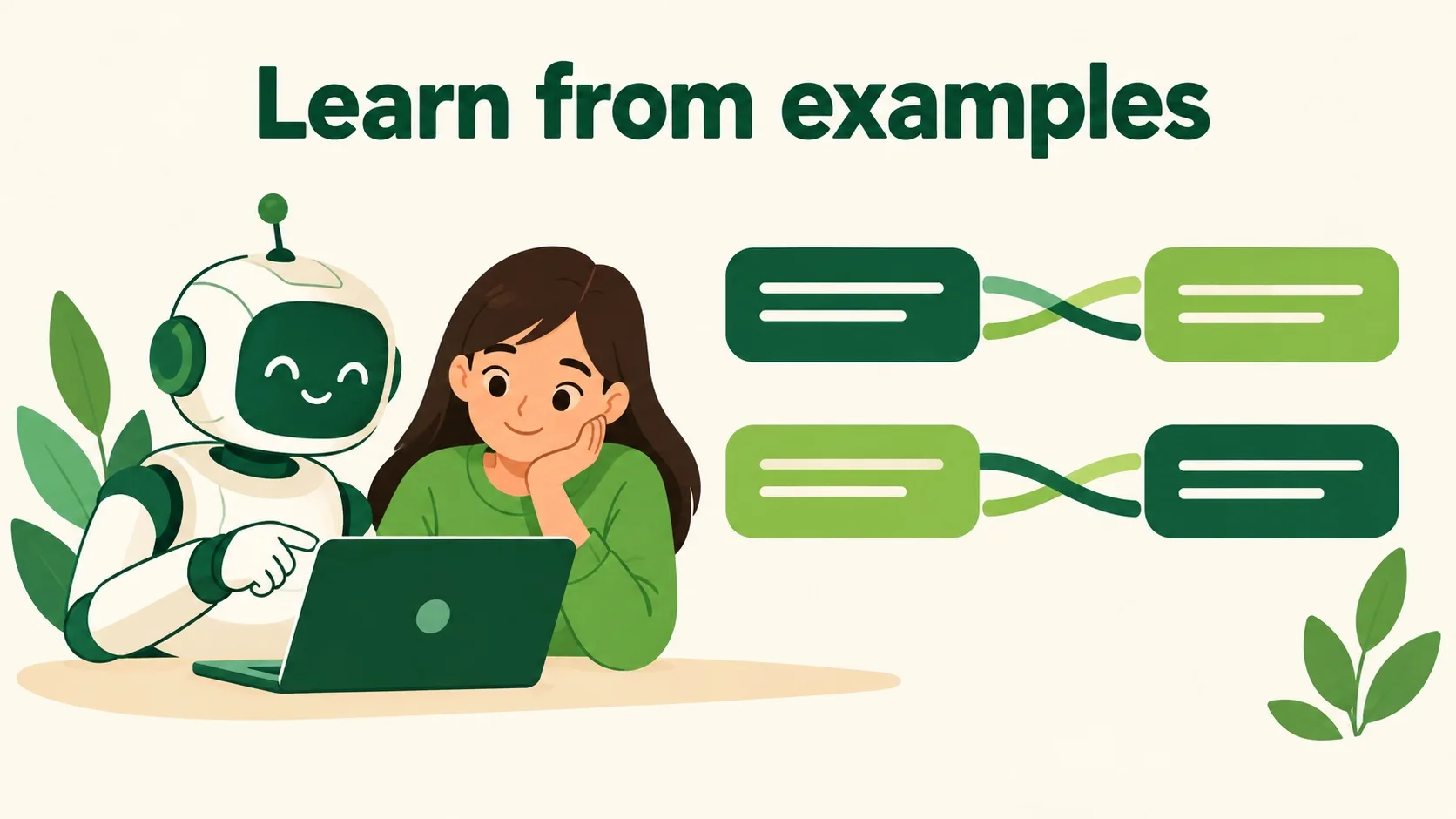
许多翻译模型从大量语言样例学习。神经网络把句子表示成数字,再生成另一语言的表达。注意力帮助关联相关部分。训练资料的质量和覆盖很重要。少见方言、专业术语和双关语都更难。学到了常见搭配,不代表每次都理解作者的意图。Many translation models learn from large collections of language examples. Neural networks represent sentences numerically and generate expressions in another language. Attention helps connect relevant portions. Data quality and coverage matter. Rare dialects, specialist terms and puns can be difficult; learning common patterns does not guarantee an author’s intent is preserved.
第 3 步:让人核对关键意思Step 3: Check the meaning that matters
通知翻完了,还需要看什么?What should be checked in the translated notice?
小禾先核对时间、地点和否定词。不得进入,不能变成可以进入。再请懂两种语言的人看是否自然。人名、数字、单位可单独列检查表。把译文再翻回去,只能提供线索,不能证明正确。公开的好译文也应结合语境使用。He checks times, places and negation first: do not enter must not become you may enter. A bilingual reader then checks clarity. Names, numbers and units deserve separate checks. Back-translation can suggest problems but cannot prove correctness. Even a good translation must suit its particular context.
🎮 给多义词找位置🎮 Place words in context
读完整句,再选词义。每次选择都会更新整句译文。Read the whole sentence before choosing a meaning. Each choice updates the translation.
一句话记住它:Remember: 翻译要保留语境中的意思,而不是机械换词。Translation should preserve contextual meaning, not merely replace words.
同一个词可以有不同含义。A word can carry different meanings.语序和文化背景也影响表达。Word order and cultural context also matter.关键事实与否定词必须复核。Critical facts and negation need review.
 Back to tree