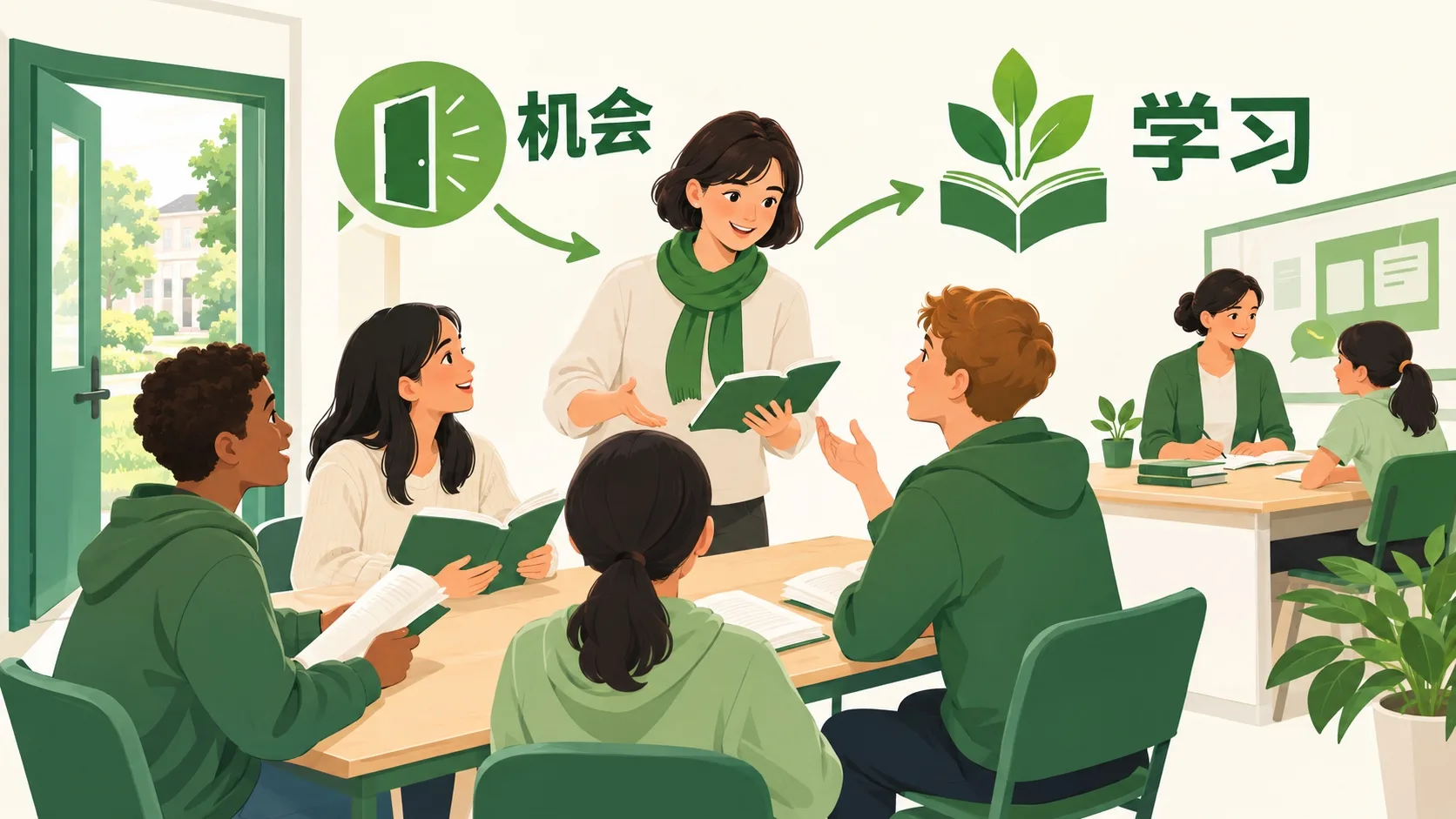
小树帮社区办识字课。教室开门后,是否每个人都真正学得到?Mia helps start a community reading class. Once the classroom opens, can everyone actually learn?
第 1 步:教育不只是进入教室Step 1: Education is more than attendance
先区分机会与学习结果。Separate access from learning outcomes.
教育帮助人获得知识、能力与判断。入学是重要一步。听懂、练习与获得反馈同样重要。出勤人数不能代替学习证据。Education develops knowledge, skills, and judgment. Access is an important step. Understanding, practice, and feedback also matter. Attendance does not by itself demonstrate learning.
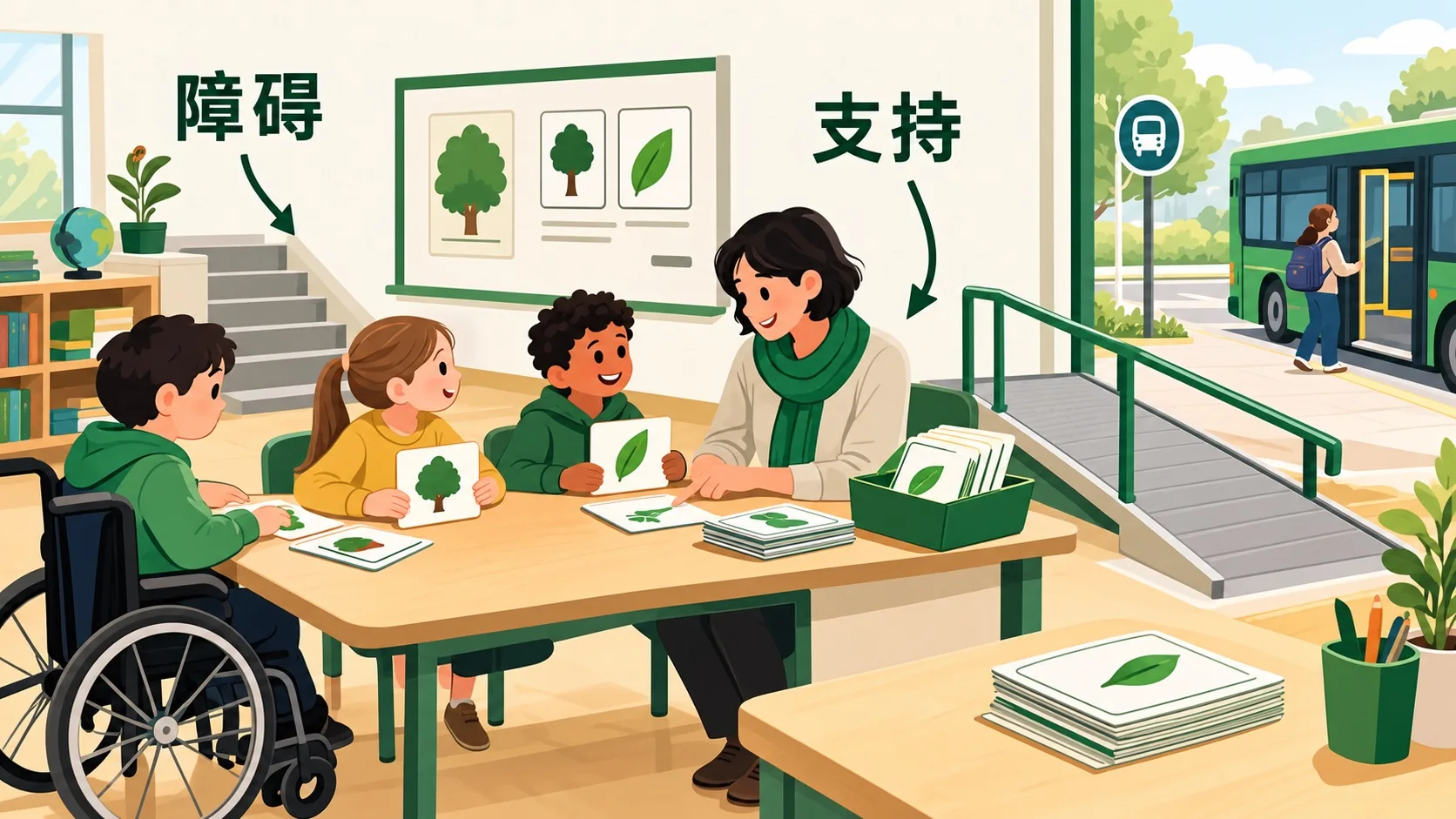
第 2 步:障碍需要具体解决Step 2: Address specific barriers
同一堂课,为什么有人跟不上?Why can the same lesson leave some learners behind?
语言、交通和身体条件可能造成障碍。材料与教学需要适当调整。支持不同,不等于降低期待。目标是让学习机会更可达。Language, transport, and disability can create barriers. Materials and teaching may need adjustment. Different support does not mean lower expectations. The aim is more accessible learning.
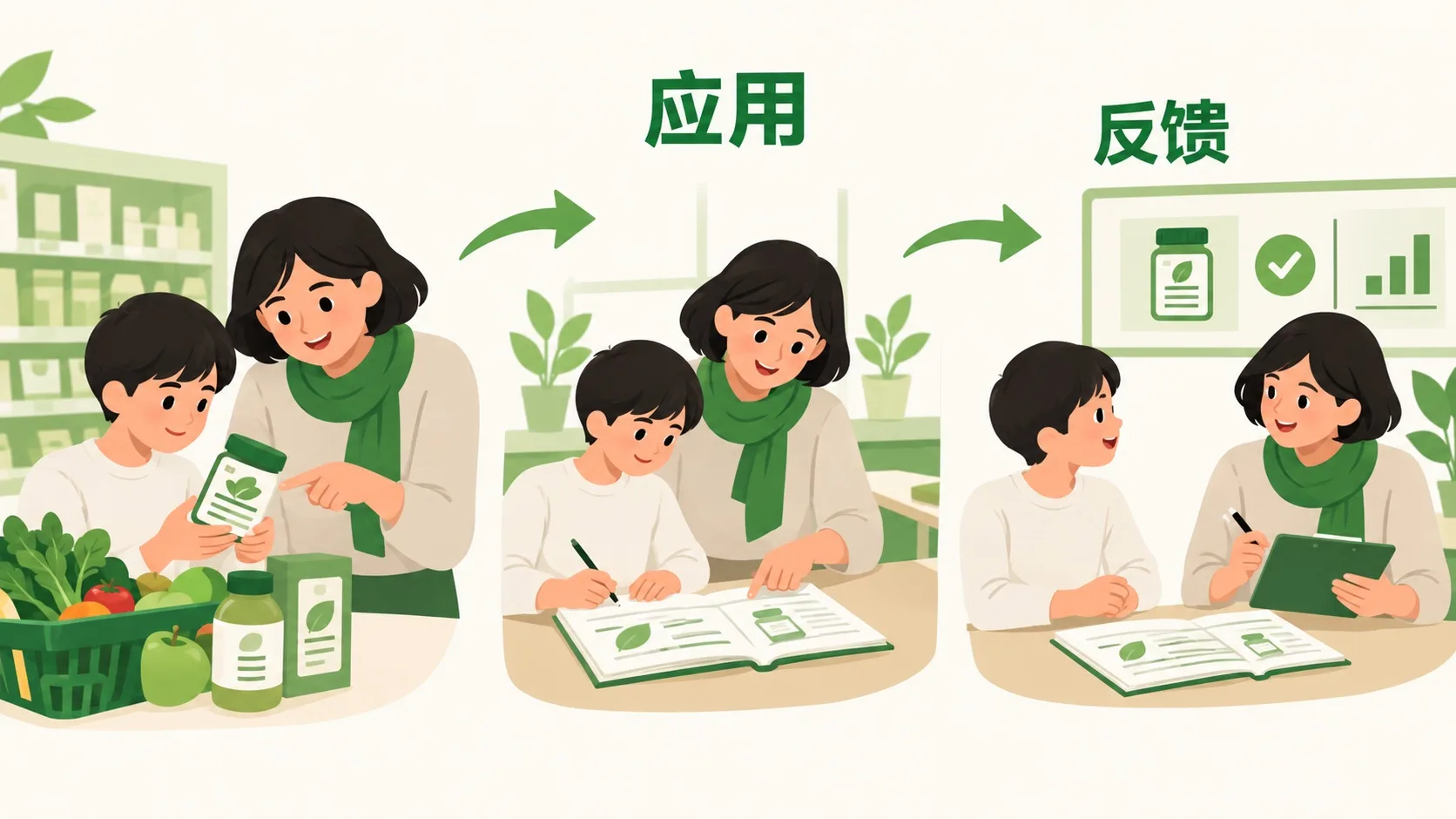
第 3 步:用证据改进教学Step 3: Use evidence to improve teaching
怎样知道支持有没有作用?How do we know whether support helps?
让学习者解释和实际应用。观察变化,再调整教学。考试提供部分信息,不是人的全部价值。教育质量也包括安全与尊重。Ask learners to explain and apply ideas. Observe progress and adjust teaching. Tests provide some information, not a person’s entire worth. Quality also includes safety and respect.
🎮 机制实验室:观察,再判断🎮 Mechanism lab: observe, then decide
十人班级,四人始终可达,三人需交通支持,三人需材料支持。参与不等于学会。In a fictional class of 10, 4 already have access, 3 need transport, and 3 need accessible materials. Participation is not mastery.
一句话记住它:Remember it:教育把可进入的机会,变成有支持的真实学习。Education turns access into supported, meaningful learning.
教育帮助人获得知识、能力与判断。Education develops knowledge, skills, and judgment.语言、交通和身体条件可能造成障碍。Language, transport, and disability can create barriers.让学习者解释和实际应用。Ask learners to explain and apply ideas.
教育权与可达性原则:较高把握。教学方法效果须结合学习者和实测结果。High confidence in rights and access principles. Teaching-method effects depend on learners and measured outcomes.
核对日期:2026 年 10 月 6 日。文字与配图由 AI 生成;已做来源核对及程序测试,待人工复核。Checked 6 October 2026. Text and illustrations are AI-generated. Sources and software checks were performed; human review is pending.
 Back to tree